Archives
- 2026-08
- 2026-07
- 2026-06
- 2026-05
- 2026-04
- 2026-03
- 2026-02
- 2026-01
- 2025-12
- 2025-11
- 2025-10
- 2025-09
- 2025-03
- 2025-02
- 2025-01
- 2024-12
- 2024-11
- 2024-10
- 2024-09
- 2024-08
- 2024-07
- 2024-06
- 2024-05
- 2024-04
- 2024-03
- 2024-02
- 2024-01
- 2023-12
- 2023-11
- 2023-10
- 2023-09
- 2023-08
- 2023-07
- 2023-06
- 2023-05
- 2023-04
- 2023-03
- 2023-02
- 2023-01
- 2022-12
- 2022-11
- 2022-10
- 2022-09
- 2022-08
- 2022-07
- 2022-06
- 2022-05
- 2022-04
- 2022-03
- 2022-02
- 2022-01
- 2021-12
- 2021-11
- 2021-10
- 2021-09
- 2021-08
- 2021-07
- 2021-06
- 2021-05
- 2021-04
- 2021-03
- 2021-02
- 2021-01
- 2020-12
- 2020-11
- 2020-10
- 2020-09
- 2020-08
- 2020-07
- 2020-06
- 2020-05
- 2020-04
- 2020-03
- 2020-02
- 2020-01
- 2019-12
- 2019-11
- 2019-10
- 2019-09
- 2019-08
- 2019-07
- 2019-06
- 2019-05
- 2019-04
- 2018-11
- 2018-10
- 2018-07
-
Further studies are needed as continuation of
2019-11-08
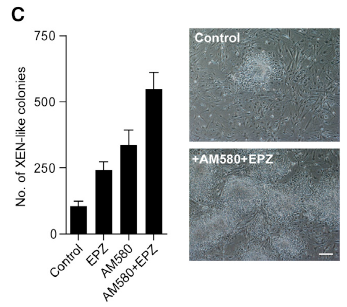
Further studies are needed as continuation of this work to explore the effects of type and position of substituents of pyridazinone ring on anti-inflammatory activity profile. Taking into consideration that the phenyl moiety at position 2 wasn\'t a favorable substituent, even certain studies may be
-
Errors are detected by comparing the output data
2019-11-08
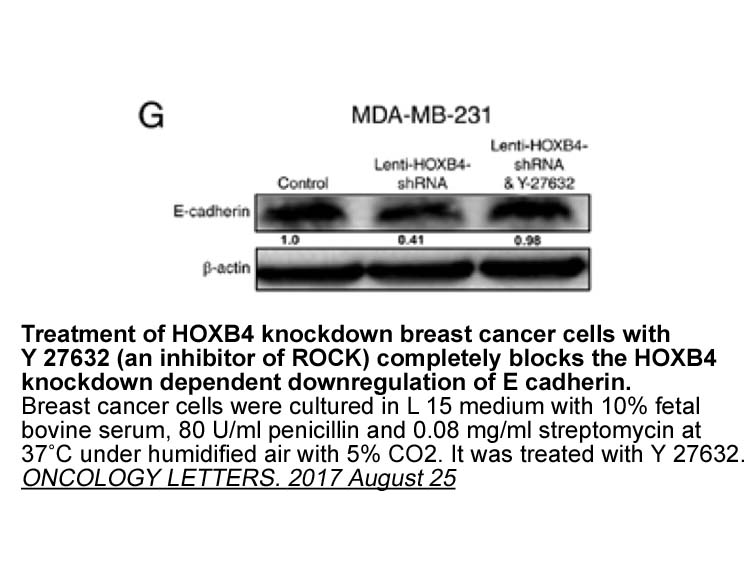
Errors are detected by comparing the output data against an error free reference. After error detection, the process is restarted so that only one error is accounted. The susceptibility is inferred by the ratio between injected events and detected errors: = 100×errors÷events%. Error rates are obtai
-
Selective inhibitor of phosphodiesterase type PDE I
2019-11-08
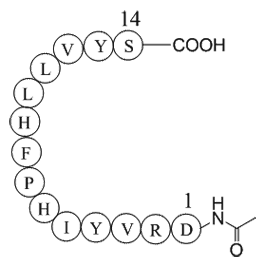
Selective inhibitor of phosphodiesterase type 5 (PDE5I) is commonly used for ED treatment. PDE5I exhibits its vasodilatory effect by inhibiting the degradation of cyclic guanosine monophosphate (cGMP), which relaxes the smooth muscle and allows increased blood flow for penile tumescence. Udenafil (D
-
Several reasons may explain that other studies using PDE
2019-11-08
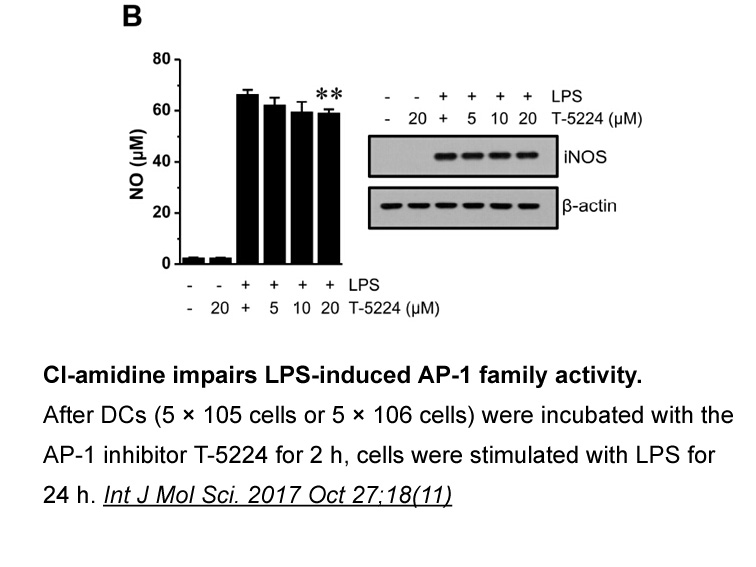
Several reasons may explain that other studies using PDE-5-Is yielded negative or contradictory results [30], [31], [32]. Lee [30] applied 50mg sildenafil to seven patients with liver cirrhosis. NO and cGMP in the hepatic Radicicol mg significantly increased, hepatic and pulmonary resistance decrea
-
There is a considerable molecular genetic heterogeneity with
2019-11-08
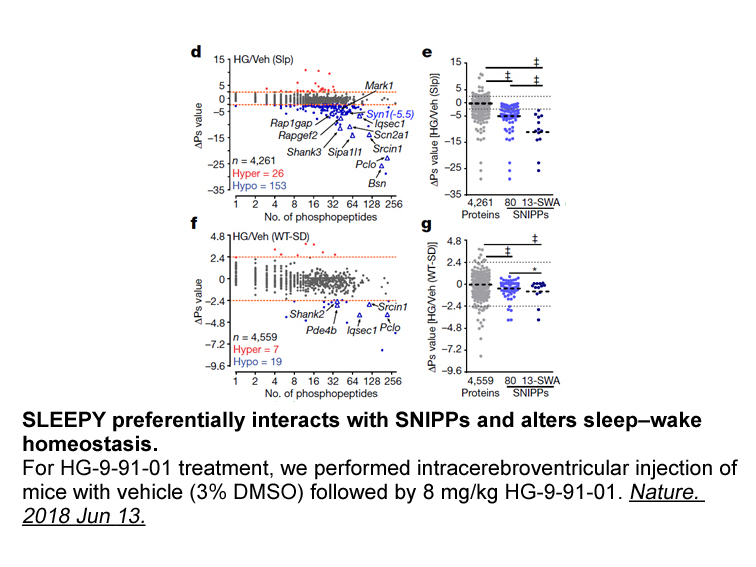
There is a considerable molecular genetic heterogeneity within ES/PNET. As mentioned above, either or can rearrange with in these gene fusions. Furthermore, for either gene fusion, additional heterogeneity stems from the location of the genomic breakpoints of the translocation, resulting in diffe
-
Further modifications on the position of compound led to com
2019-11-08
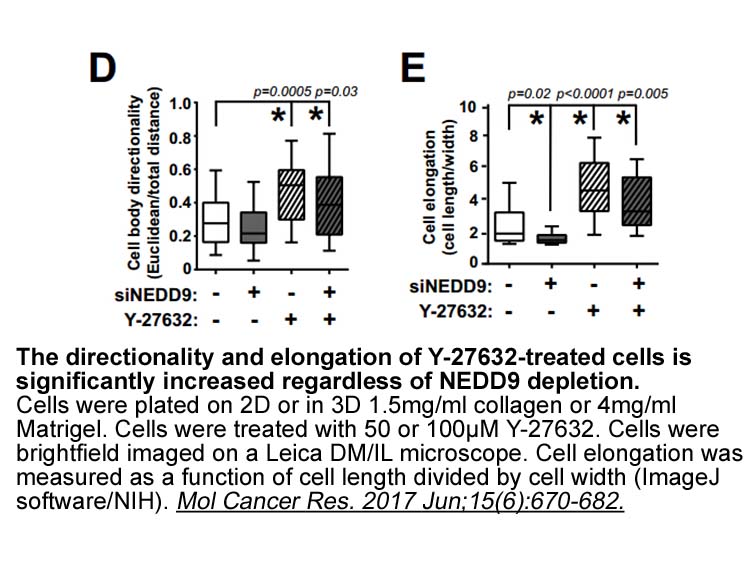
Further modifications on the 8-position of compound led to compound 4 (8-pCPT-2′--Me-cAMP, a.k.a. 007, ), which is a potent (half-maximal activation of EPAC1 at 2.2µM) and selective (about 100-fold EPAC/PKA selectivity) EPAC agonist. Since the discovery of compound , it has been widely used as a pow
-
br Conclusions br Conflicts of interest br Research funding
2019-11-07
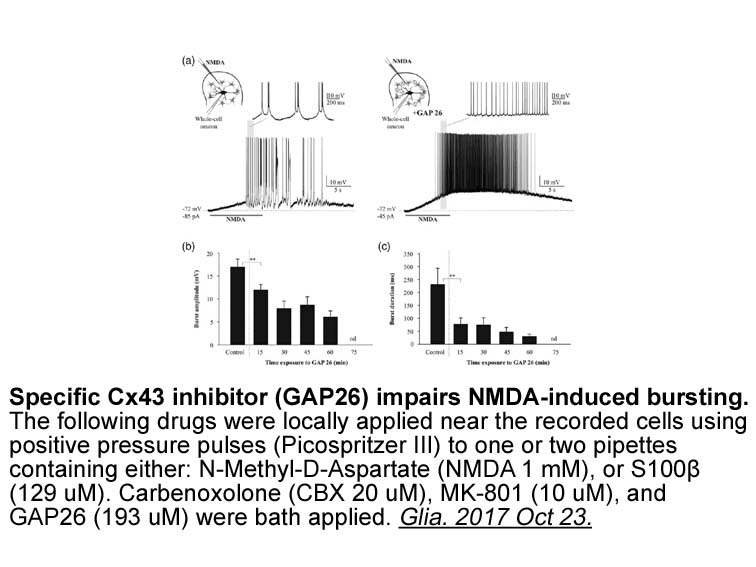
Conclusions Conflicts of interest Research funding This work was financially supported by Shanghai Committee of Science and Technology (No. 16431903800). Main Text Developmental processes make usage of a surprisingly limited number of morphogens and signaling components to control a ple
-
In the present study we investigated the
2019-11-07
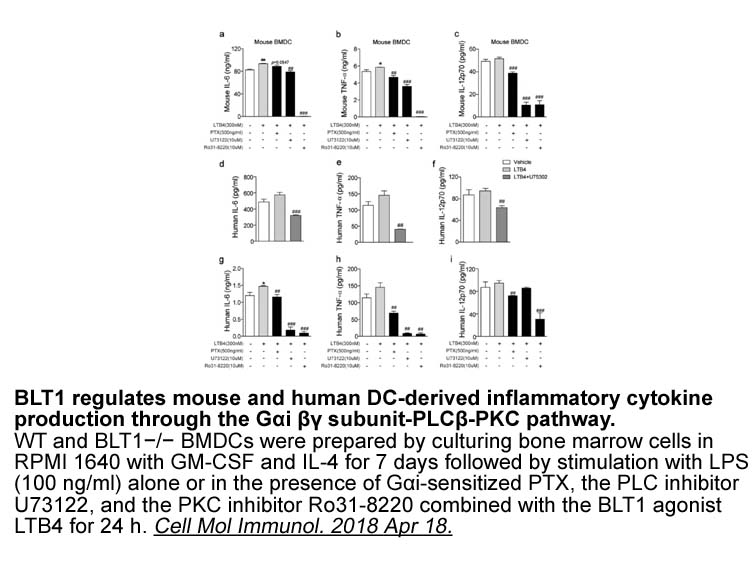
In the present study, we investigated the role of EP1R after ICH and its mechanism of action. We hypothesized that EP1R activation aggravates ICH injury but that its blockade reduces injury through the Src kinases and the MMP-9 signaling pathway. To test this hypothesis, we examined the effects of s
-
br Acknowledgment We thank Professor Yuh Chang Sun for
2019-11-07
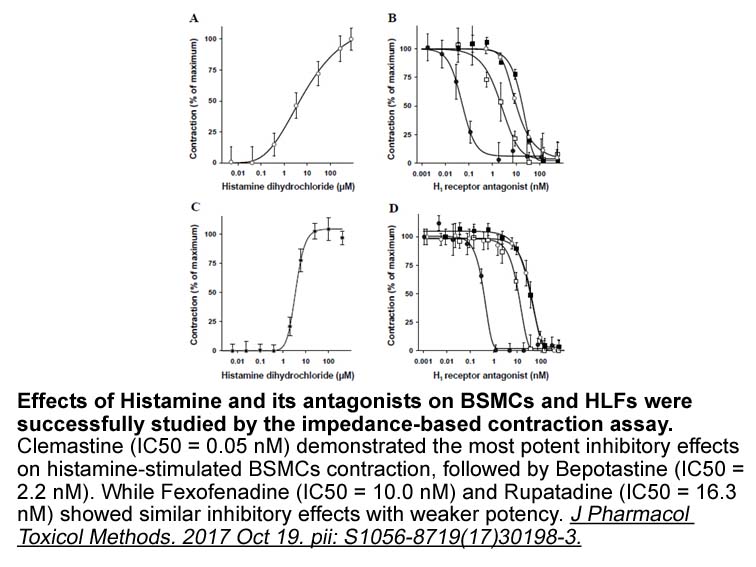
Acknowledgment We thank Professor Yuh-Chang Sun for providing helpful advice and the Ministry of Science and Technology of the Republic of China for financial support (grants MOST ). Introduction Past century has witnessed a tremendous increase in life expectancy of the human population, achi
-
Propranolol initially discovered in is first and most
2019-11-07

Propranolol, initially discovered in 1964, is first and most widely studied as a non-selective beta-blocker. Propranolol through β-adrenergic receptor blockade has reduced heart rate and blood pressure and have anti-arrhythmogenic and anti-ischemic effects, and been proposed as an effective strategy
-
br Introduction Prostaglandins are important
2019-11-07
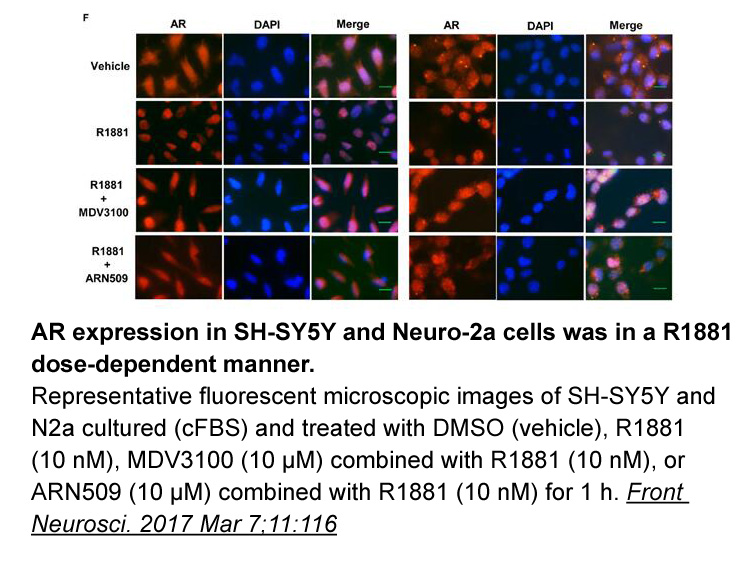
Introduction Prostaglandins are important local mediators in a host of reproductive processes including ovulation, fertilization, embryonic development, luteal regression, and parturition (Ushikubi et al., 2000). Prostaglandin E2 (PGE2) is among the more versatile prostanoids, and its effects app
-
For reductive amination by L AmDH the
2019-11-06
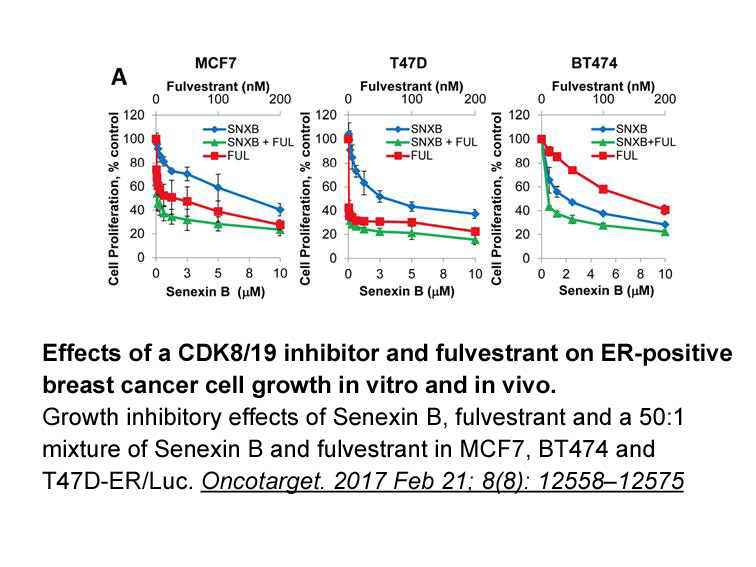
For reductive amination by L-AmDH, the term related to the enzyme-ammonia complex is excluded rather than the enzyme-pentanone term (Table 1). If this were an ordered mechanism, this would imply ammonia binds second, after NADH and before 2-pentanone. However, a large KM,NH4 value renders ammonia bi
-
br Results and discussion A systematic search
2019-11-06

Results and discussion A systematic search for genes encoding H+-PPases was carried out by PCR using genomic DNA from a wide range of protozoa as templates and degenerate oligonucleotides, designed from amino BGP-15 australia domains conserved in H+-PPases of higher plants and the proteobacteriu
-
The primary aim of this study
2019-11-06
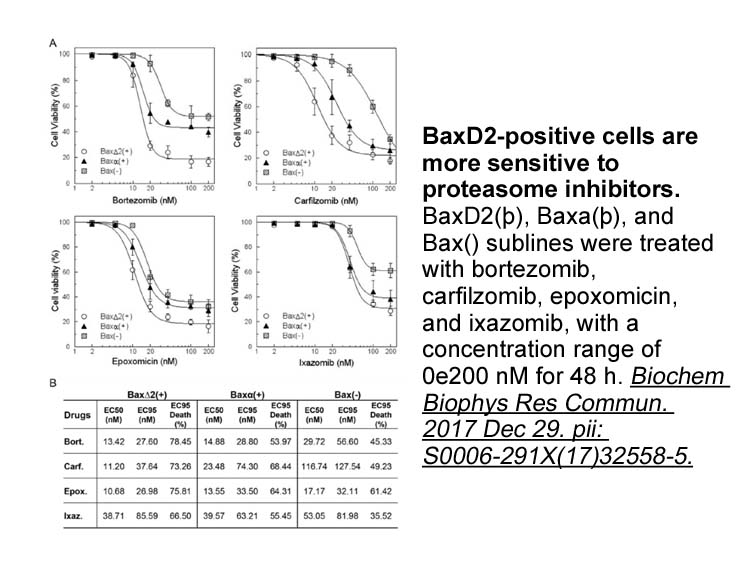
The primary aim of this study was to evaluate DAPK methylation as a tumor marker which is not only detected in the primary tumor but also in the serum of patients. We used matched pre-operative serum samples to determine the correlation of tumor and serum results. Despite an equal methylation freque
-
Compared with qualitative analysis by Kalyankar et
2019-11-06
Compared with qualitative analysis by Kalyankar et al. (2013), less sequences were identified in iTRAQ-labelled analysis. It is not surprising with the finding that each of the identified peptide includes the sequence in every sampling point. Glu(51)-Tyr(52) of αs2-casein was observed to have been c
16259 records 951/1084 page Previous Next First page 上5页 951952953954955 下5页 Last page