Archives
- 2026-06
- 2026-05
- 2026-04
- 2026-03
- 2026-02
- 2026-01
- 2025-12
- 2025-11
- 2025-10
- 2025-09
- 2025-03
- 2025-02
- 2025-01
- 2024-12
- 2024-11
- 2024-10
- 2024-09
- 2024-08
- 2024-07
- 2024-06
- 2024-05
- 2024-04
- 2024-03
- 2024-02
- 2024-01
- 2023-12
- 2023-11
- 2023-10
- 2023-09
- 2023-08
- 2023-07
- 2023-06
- 2023-05
- 2023-04
- 2023-03
- 2023-02
- 2023-01
- 2022-12
- 2022-11
- 2022-10
- 2022-09
- 2022-08
- 2022-07
- 2022-06
- 2022-05
- 2022-04
- 2022-03
- 2022-02
- 2022-01
- 2021-12
- 2021-11
- 2021-10
- 2021-09
- 2021-08
- 2021-07
- 2021-06
- 2021-05
- 2021-04
- 2021-03
- 2021-02
- 2021-01
- 2020-12
- 2020-11
- 2020-10
- 2020-09
- 2020-08
- 2020-07
- 2020-06
- 2020-05
- 2020-04
- 2020-03
- 2020-02
- 2020-01
- 2019-12
- 2019-11
- 2019-10
- 2019-09
- 2019-08
- 2019-07
- 2019-06
- 2019-05
- 2019-04
- 2018-11
- 2018-10
- 2018-07
-
Other GPCRs notable for changes in expression on CLL
2020-12-16
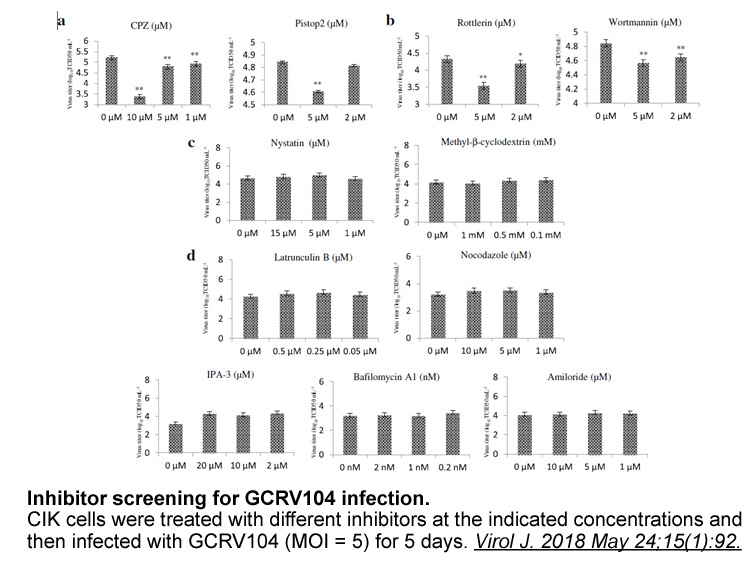
Other GPCRs notable for changes in expression on CLL cells include upregulation of the thromboxane A2 receptor TBXA2R mRNA [61] and up and downregulation of mRNA and protein from the neurotensin receptors NTSR2 and NTSR1, respectively [62]. The Eμ-TCL1 mouse model of CLL has been used to study mult
-
Recently a non proteolytic role of COP in stabilizing PIF
2020-12-16
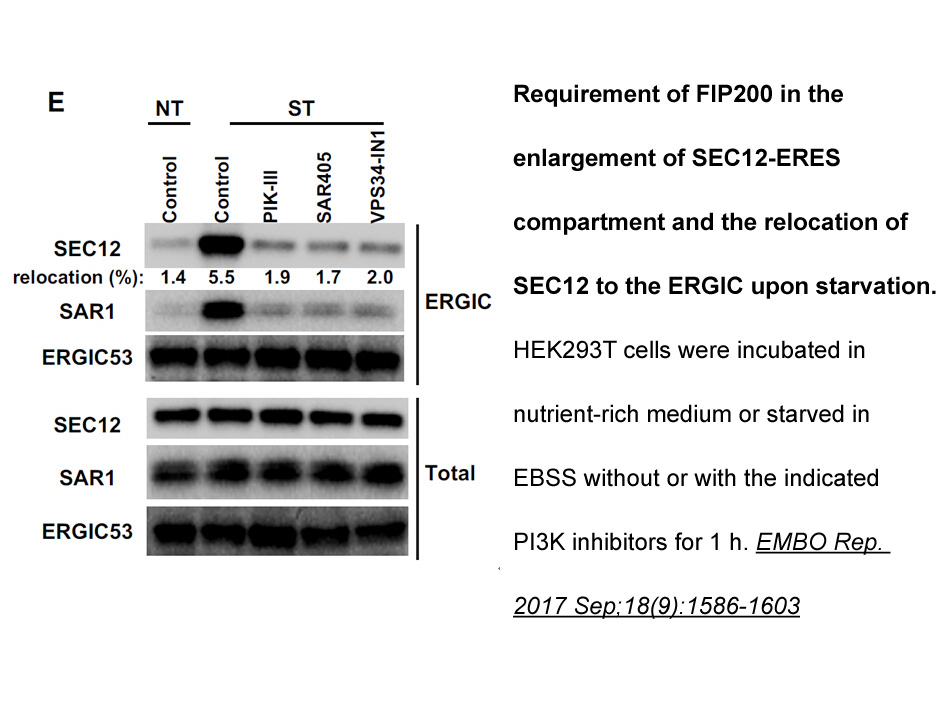
Recently, a non-proteolytic role of COP1 in stabilizing PIF3 proteins in the dark has been revealed . Previous studies have shown that the endogenous levels of PIF3 protein in etiolated seedlings were nearly undetectable . Ling found that the GSK3-like kinase BRASSINOSTEROID-INSENSITIVE 2 (BIN2) pla
-
The RING domain was previously considered sufficient
2020-12-16

The RING domain was previously considered sufficient to confer ubiquitination by RING-type E3 ligases. However, recent reports have shown that sequences closest to the RING domain are also important in E3 ligase function. Residues like Tyr193 in RNF4 [40], Phe296 and Arg294 in BIRC7 [31], and Lys65
-
br GRAIL family Gene related to anergy in
2020-12-16
GRAIL family Gene related to anergy in lymphocytes protein (GRAIL, encoded by Rnf128 gene) is a transmembrane RING-type E3 ligase involved in T cell anergy and tolerance, and also regulation of Metformin mg cytoskeletal organization [52]. This E3 was initially identified in CD4+ T helper cells an
-
One of the critical functions of the product
2020-12-16
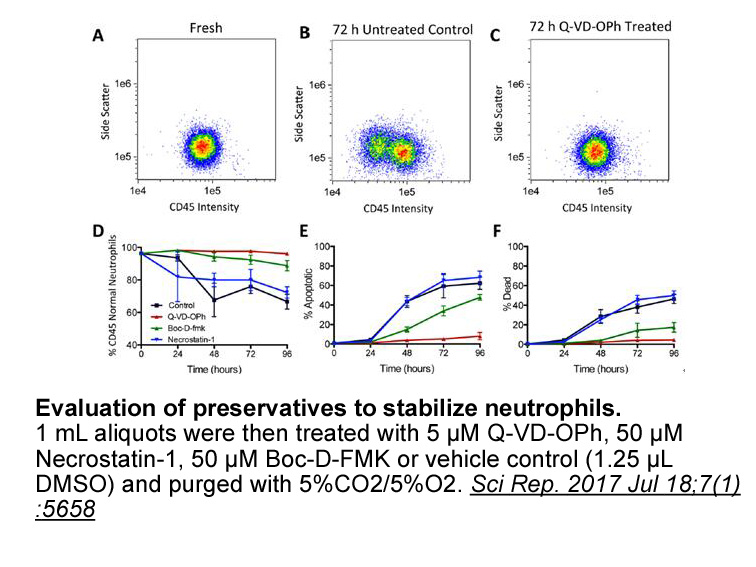
One of the critical functions of the product of the AR gene is to activate the expression of target genes. This transactivation activity resides in the N-terminal domain of the protein encoded in exon 1, which contains polymorphic repeats. These trinucleotide repeats, (CAG) and (GGC), encode polyglu
-
In studies directed toward the development of sequence
2020-12-16
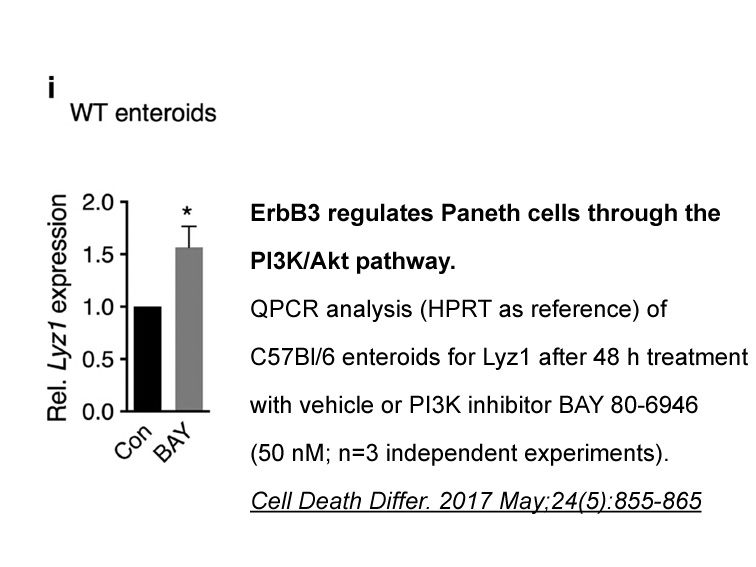
In studies directed toward the development of sequence-specific major-groove binding small Emodepside [11], we desired a non-intercalating molecular scaffold that could direct attached moieties into the major groove. As an initial step toward this goal, we wished to study the DNA binding mode and
-
Introduction In vitro synthetic biology
2020-12-16

Introduction In vitro synthetic biology has received considerably less attention than in vivo processes so far (Foster and Church, 2007). However, cell-free biosynthetic production is very likely to become important for many biotechnological challenges for reasons such as (energy) efficiency, syste
-
This pathway appears to have importance in
2020-12-16
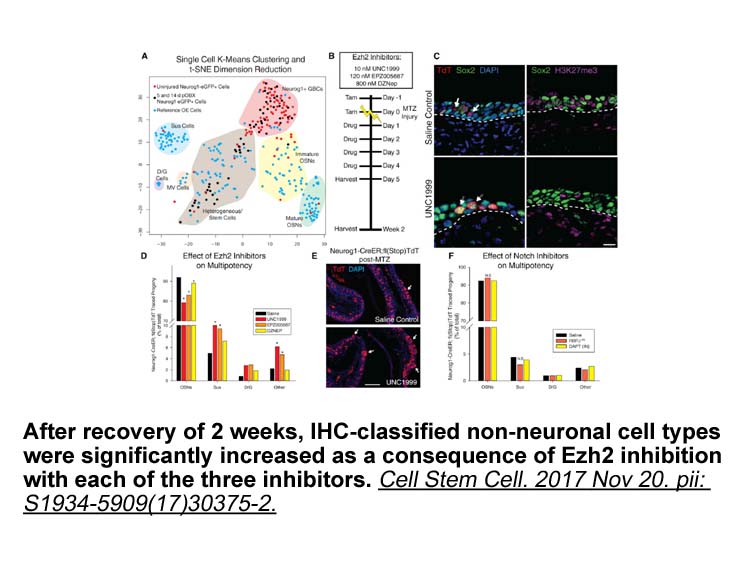
This pathway appears to have importance in epilepsy. DGKε(−/−) mice had significantly fewer motor seizure and epileptic events compared with DGKε(+/+) mice [18]. This could be explained by the fact that in the knockout mice a greater fraction of the SAG would be converted to 2-AG. 2-AG itself is kno
-
DGK type I http www apexbt com media diy images
2020-12-16
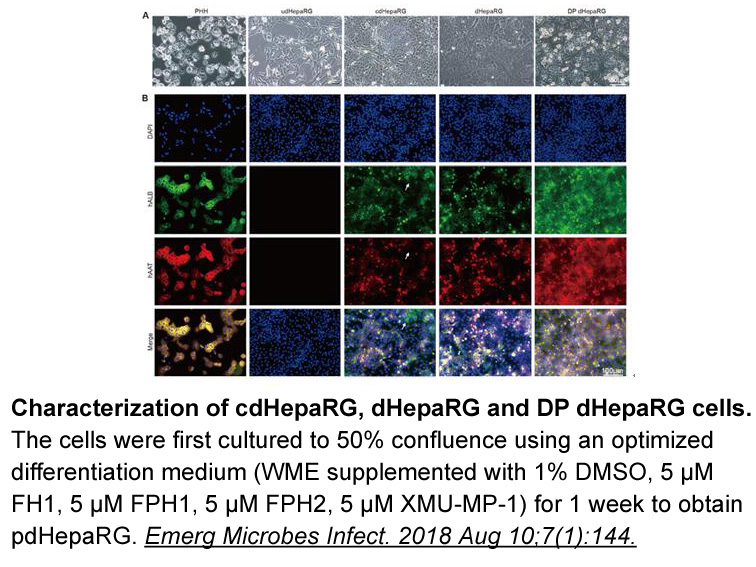
DGKη1 (type II DGK) has a separated catalytic domain [10], [13], whereas the domains of DGKα, ε and ζ are not split [1], [2], [3], [4], [5]. Therefore, the structural difference may cause the distinct affinity for DG among these isozymes. Because other type II DGKs (η2, δ1, δ2 and κ) also have the s
-
Previous studies showed that many steroidogenic enzymes act
2020-12-16
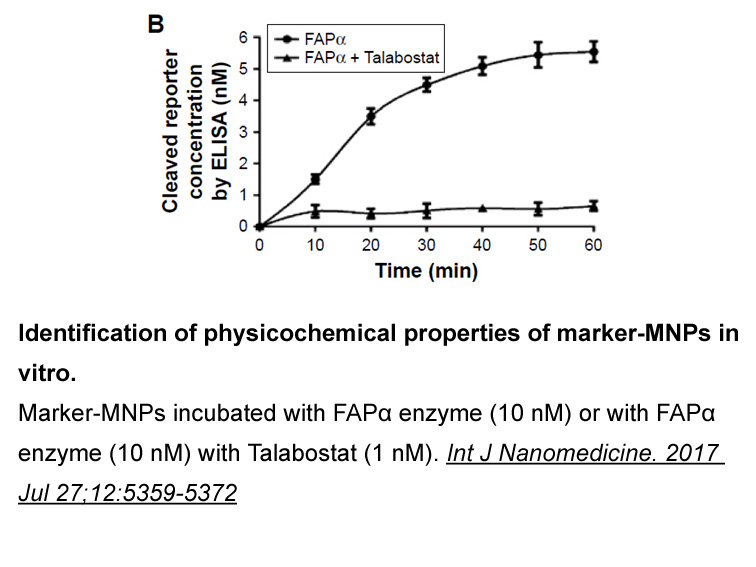
Previous studies showed that many steroidogenic enzymes act when the enzyme binds to the cofactor first [30]. In the present study, we showed that HPTE inhibited both AKR1C14 and RDH2 in a mixed mode when cofactor was used. This indicates that HPTE interferes with cofactor-binding residues although
-
br How does DDR receptor activated to induce
2020-12-16
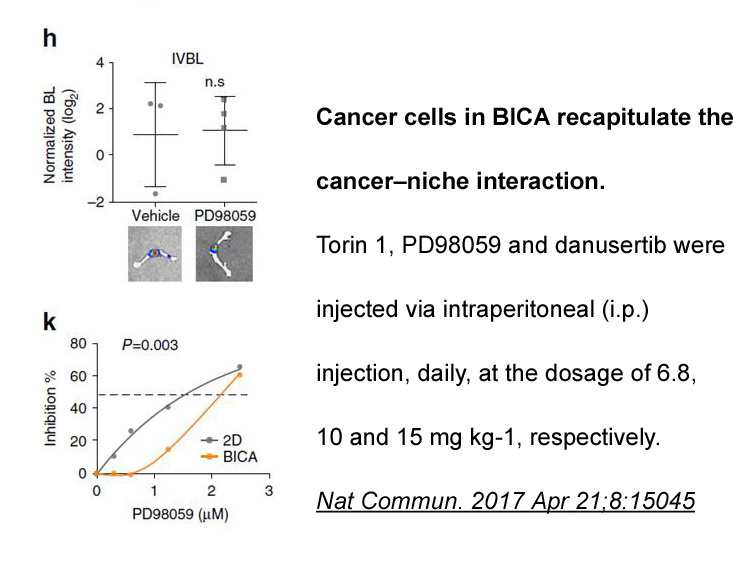
How does DDR2 receptor activated to induce Osteoarthritis Alternation of joints by mechanical stress produces microcracks and deterioration of natural pores in subchondral bone provides triapine for cross talk through diffusion of small molecules [26,27]. At early stage of OA, chondrocytes in the
-
Air trapping at the small airways is related to
2020-12-16
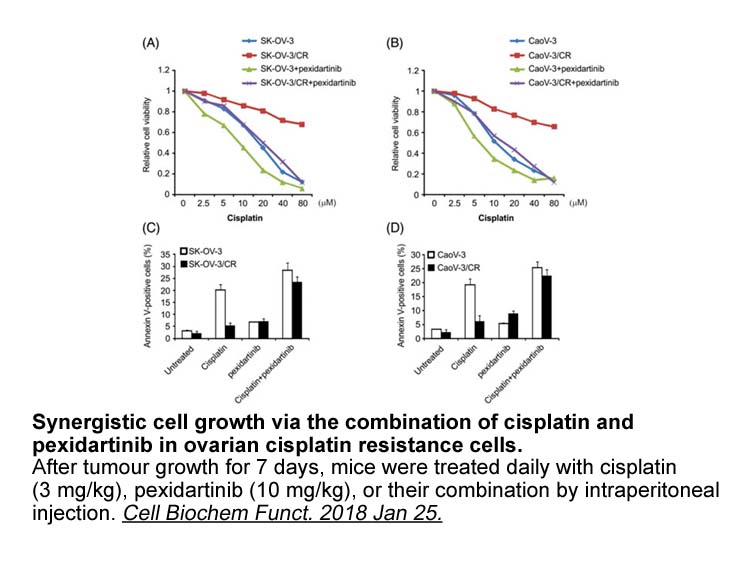
Air-trapping at the small airways is related to severe MMP-2 Inhibitor II (Bjermer, 2014), and acute exacerbation (Mahut et al., 2010). Although asthma patients are generally treated with inhaled corticosteroid (ICS) or with ICS and long-acting β2 agonist (LABA), the efficacy of such treatment depe
-
herpes simplex virus Among the CYP enzymes CYP D has been co
2020-12-16
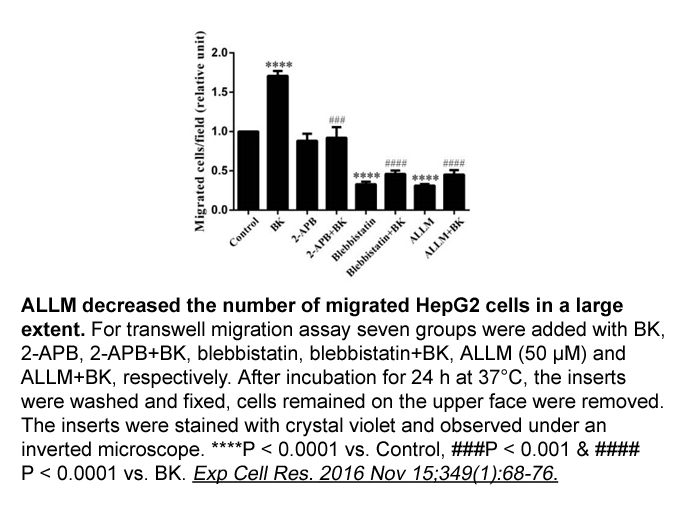
Among the CYP450 enzymes, CYP2D has been considered a crucial protein that involves in the metabolism of xenobiotics and drugs (Zanger and Schwab, 2013). Some isoforms of the CYP2D subfamily have been well characterized, such as CYP2D6 due to its clinical importance and CYP2D14 in black cattle (Hama
-
Caspase-9 Colorimetric Assay Kit australia br Genotype pheno
2020-12-16
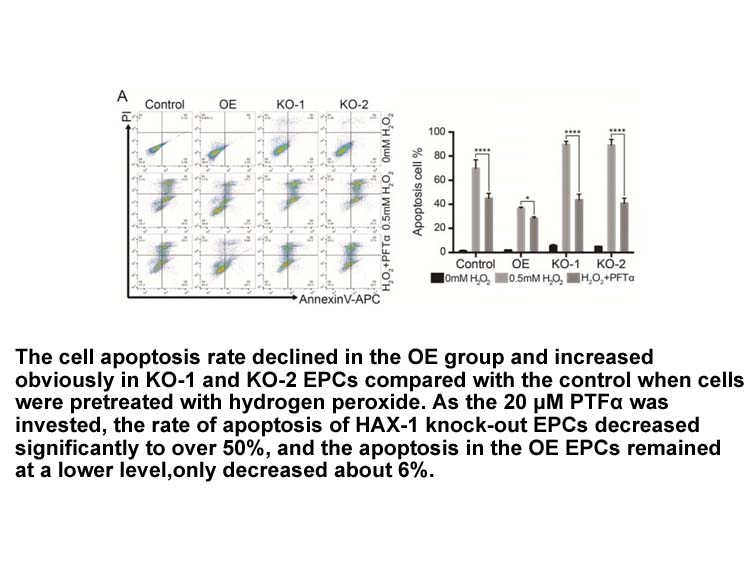
Genotype-phenotype correlations Genotype-phenotype correlations are limited. Compared with individuals with truncating variants, those with pathogenic missense variants in the adenosine triphosphate binding site had a milder disorder, some with ability to walk unaided, better hand use, and less r
-
br Acknowledgments This research was supported by
2020-12-16
Acknowledgments This research was supported by grants from the Ministerio de Ciencia e Innovación (Grants SAF/FEDER 2010-17907; 2013-49076-P), Spain, Red de trastornos adictivos (RETICS RD12/0028//0003, Instituto de Salud Carlos III, Spain) and Fundación Séneca (15405/PI/10, Región de Murcia, Spa
16168 records 747/1078 page Previous Next First page 上5页 746747748749750 下5页 Last page