Archives
- 2026-07
- 2026-06
- 2026-05
- 2026-04
- 2026-03
- 2026-02
- 2026-01
- 2025-12
- 2025-11
- 2025-10
- 2025-09
- 2025-03
- 2025-02
- 2025-01
- 2024-12
- 2024-11
- 2024-10
- 2024-09
- 2024-08
- 2024-07
- 2024-06
- 2024-05
- 2024-04
- 2024-03
- 2024-02
- 2024-01
- 2023-12
- 2023-11
- 2023-10
- 2023-09
- 2023-08
- 2023-07
- 2023-06
- 2023-05
- 2023-04
- 2023-03
- 2023-02
- 2023-01
- 2022-12
- 2022-11
- 2022-10
- 2022-09
- 2022-08
- 2022-07
- 2022-06
- 2022-05
- 2022-04
- 2022-03
- 2022-02
- 2022-01
- 2021-12
- 2021-11
- 2021-10
- 2021-09
- 2021-08
- 2021-07
- 2021-06
- 2021-05
- 2021-04
- 2021-03
- 2021-02
- 2021-01
- 2020-12
- 2020-11
- 2020-10
- 2020-09
- 2020-08
- 2020-07
- 2020-06
- 2020-05
- 2020-04
- 2020-03
- 2020-02
- 2020-01
- 2019-12
- 2019-11
- 2019-10
- 2019-09
- 2019-08
- 2019-07
- 2019-06
- 2019-05
- 2019-04
- 2018-11
- 2018-10
- 2018-07
-
Aerobic exercise plays an important role in the regulation o
2024-08-01
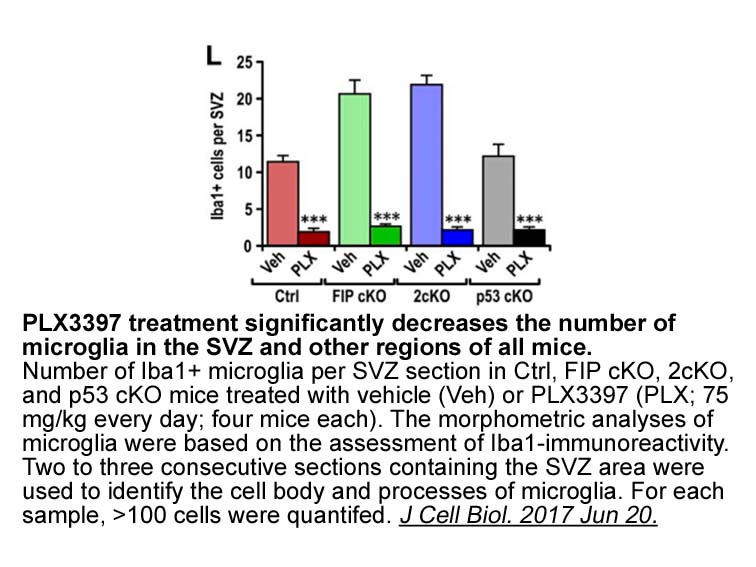
Aerobic exercise plays an important role in the regulation of nitric oxide metabolism in the skeletal muscle. It is also associated with increases in AMPK and GLUT4 levels, resulting in the improvement of the glucose uptake signaling pathway [17,18]. Recently, it has been shown that exercise marked
-
So far many independent studies have linked cholesterol
2024-08-01
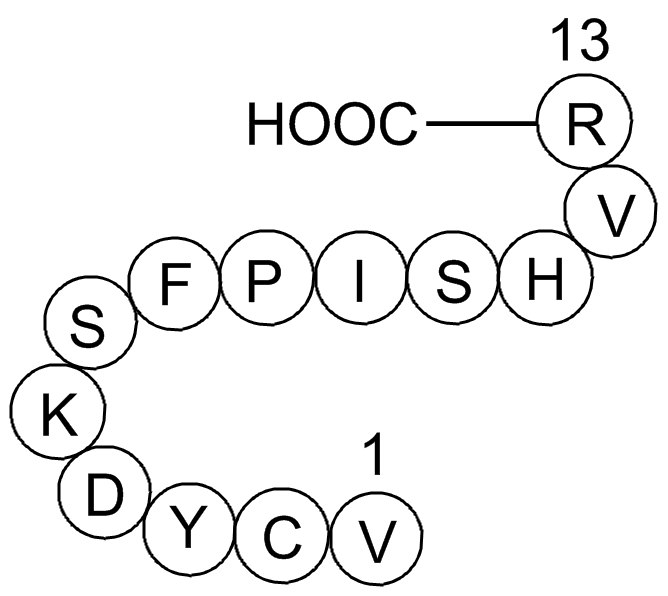
So far, many independent studies have linked cholesterol metabolism–related genes with AD, either by showing associations with specific polymorphisms or with differential YM 58483 levels (Beecham et al., 2014, Blain and Poirier, 2004, Lambert et al., 2009, Lambert et al., 2013, Leduc et al., 2015, P
-
br Material and methods br
2024-08-01
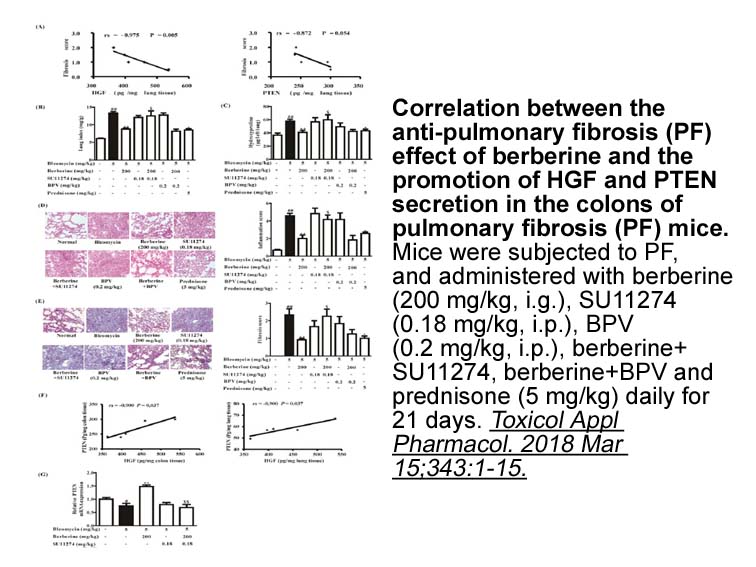
Material and methods Results Discussion GRK2 activity has increasingly been shown to contribute to the progression of numerous diseases and organ dysfunction [5], [6]. For instance, a large body of work over the last two decades has identified GRK2 as a major regulator of cardiac dysfunctio
-
Preclinical models indicate roles for adiponectin in the
2024-08-01
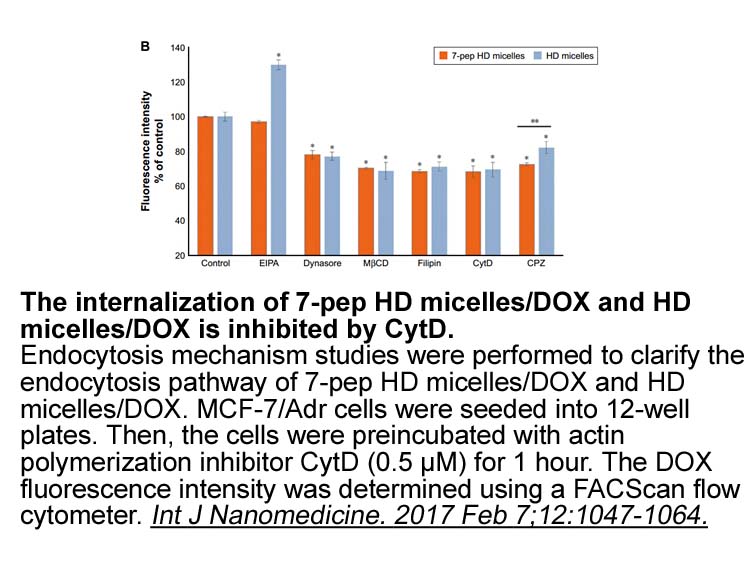
Preclinical models indicate roles for adiponectin in the maintenance of hepatic lipid metabolism. Adiponectin overexpression prevents accumulation of triglycerides or the deleterious lipid metabolites diacylglycerols or ceramides [5,8]. Direct manipulation of adiponectin expression demonstrates a po
-
Adenosine receptors are proposed to play proangiogenic role
2024-08-01
Adenosine receptors are proposed to play proangiogenic role in vascular and immune Folinic acid australia within microenvironment of hypoxic tissues to maintain tissue oxygenation in chronic ischemic condition [9]. Adenosine also stimulates the production of angiopoetin-1, VEGF and Interleukin-6 (I
-
An AXL decoy receptor with enhanced GAS binding properties
2024-07-31
An AXL decoy receptor with enhanced GAS6-binding properties, MYD1, was engineered as a therapeutic tool to disrupt GAS6/AXL signaling in vivo (Kariolis et al., 2014). MYD1 was shown to block metastasis of human ovarian cancer SMIP004 and a murine breast cancer cell line in grafting assays in mice.
-
Recent studies have indicated that
2024-07-31
Recent studies have indicated that V-ATPase activity negatively regulates vacuolar fusion in vivo[17]. Since we have demonstrated that the pah1Δ sphingosine kinase have a more acidic vacuolar pH than the WT cells, and the genes involved in the pump activity are upregulated compared to WT, the pah1Δ
-
br Material and methods br Results
2024-07-31
Material and methods Results Discussion Although we were not able to detect 12/15-LOX mRNA in the lungs of 12/15-LOX knockout mice substantial amounts of 15-HETE could be detected in BALF. In fact, significant synthesis of 15-HETE in 12/15-LOX mice have been already reported [17]. The redun
-
Regulators of the DDR have therefore become attractive targe
2024-07-31
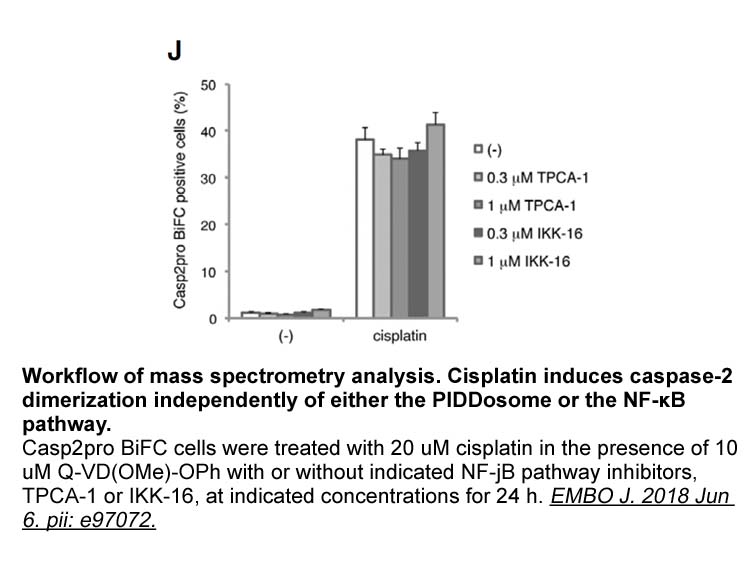
Regulators of the DDR have therefore become attractive targets for cancer therapy primarily through two potential approaches. First, to be used as chemo- or radiosensitisers to increase the effectiveness of standard genotoxic treatments and to help prevent or overcome the development of resistance.
-
br Discussion Arginase and Arginase are
2024-07-31
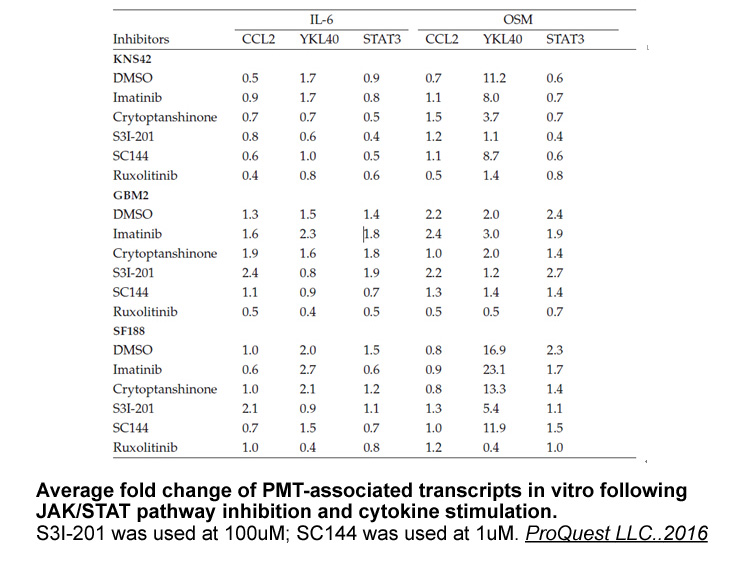
Discussion Arginase 1 and Arginase 2 are homologous enzymes that consume l-arginine to produce l-ornithine and urea [14], [15]. These enzymes compete with NO synthases for the same substrate [14], [15], [30], and therefore may reduce NO production [21], [24], [30]. The colocalization of arginases
-
Reactive oxygen species is an
2024-07-31
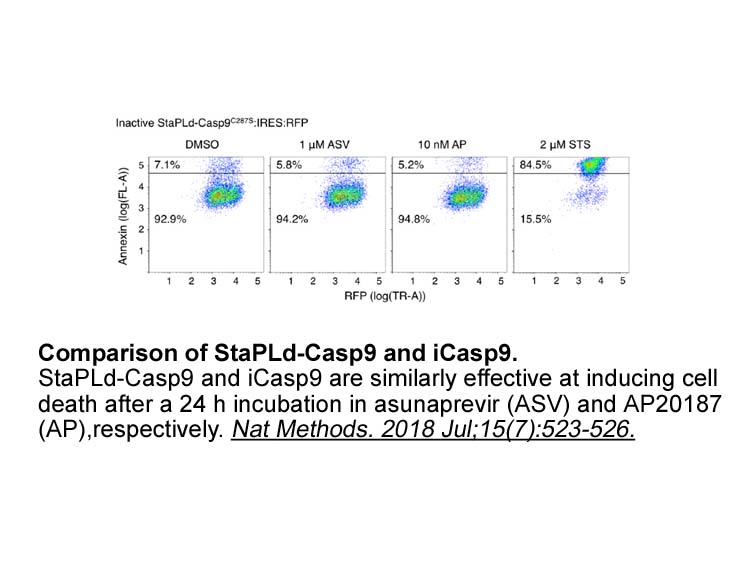
Reactive oxygen species is an aspect of oxidative stress which are associated with many diseases such as rheumatoid arthritis, diabetes, inflammation, atherosclerosis and cancers (Collins, 2005; Halliwell, 1994). Thus, the need for naturally occurring antioxidants is of crucial importance. Some biop
-
We have shown that an extensive region in
2024-07-31
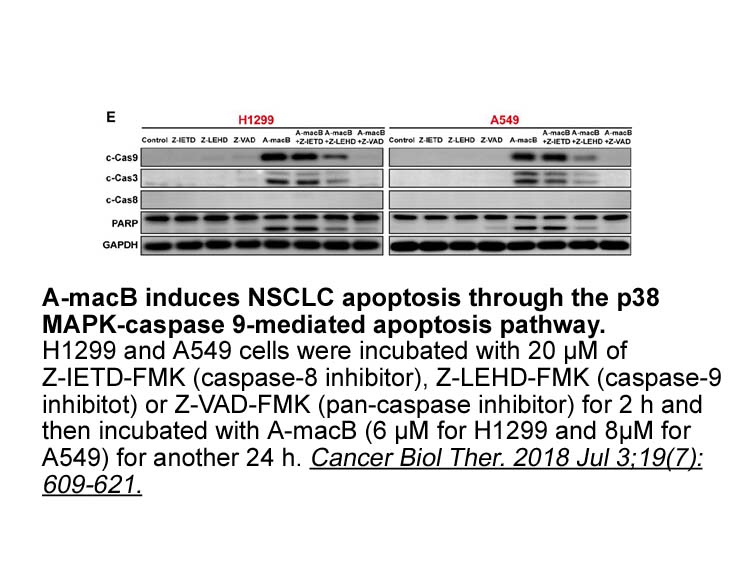
We have shown that an extensive region in SERBP1 (amino acids 354 to 474, using co-ordinates based on the full-length isoform, Figs. 1a and 2) is necessary for it to interact with RACK1; since this region has substantial homology to the corresponding region of HABP1 (Fig. 3) it is a reasonable hypot
-
To the best of our knowledge there
2024-07-31
To the best of our knowledge, there have been only a few reports on antiangiogenic activities about C. sanki, and its antiangiogenic constituents as well as its mechanism of action are worthy of further exploring and studying. Therefore, we carried out a bioassay-guided investigation of C. sanki in
-
We provide here direct evidences that
2024-07-31
We provide here direct evidences that AT1 receptors are active in ADSCs since Ang II induces intracellular Ca mobilization in these cells. Data obtained during the observation of Ca influxes led us to the search for the ADSCs subpopulation constantly expressing AT1 receptor. ADSCs are necessary for
-
Another class of AMPK regulator is
2024-07-31
Another class of AMPK regulator is peptidyl-prolyl cis/trans isomerase (PPIase) NIMA-interacting 1 (Pin1), which binds to a number of proteins and regulates oncogenesis and metabolic diseases (Khanal et al., 2013; Zhou and Lu, 2016). Pin1 has been shown to bind to and inhibit AMPK; therefore, at lea
16179 records 133/1079 page Previous Next First page 上5页 131132133134135 下5页 Last page